What Is Peripheral Artery Disease?
Peripheral artery disease, or PAD, happens when plaque — a buildup of fat, cholesterol, and other substances — narrows or blocks the arteries that carry blood to your legs and feet. As the arteries narrow, less oxygen-rich blood reaches your muscles and skin.
Early on, PAD may cause no symptoms at all, or just a mild ache when you walk. Left untreated, it can progress to pain at rest and wounds that will not heal, which raises the risk to the affected foot or leg. The good news: PAD is very treatable, especially when it is caught early with an in-house vascular ultrasound.
Causes & Risk Factors
Some risk factors for PAD are within your control. Others are not. Knowing both helps us catch narrowed arteries early — before they cause lasting damage.
| Modifiable Risk Factors | Non-Modifiable Risk Factors |
|---|---|
| Smoking or tobacco use | Age 50 and older |
| Diabetes or high blood sugar | Family history of PAD or heart disease |
| High blood pressure | Personal history of heart disease or stroke |
| High cholesterol | — |
| Limited physical activity | — |
| Carrying excess weight | — |
Why Early Treatment Matters
“Catching PAD early — before a wound forms — is what helps prevent the bigger problems down the road.”
PAD tends to get worse slowly, over years. Treating it early — with medication, lifestyle changes, or a minimally invasive procedure — can help restore blood flow before symptoms progress to pain at rest or a wound that won’t heal. That early step is a meaningful part of reducing the risk of losing a toe, foot, or leg.
How We Diagnose It
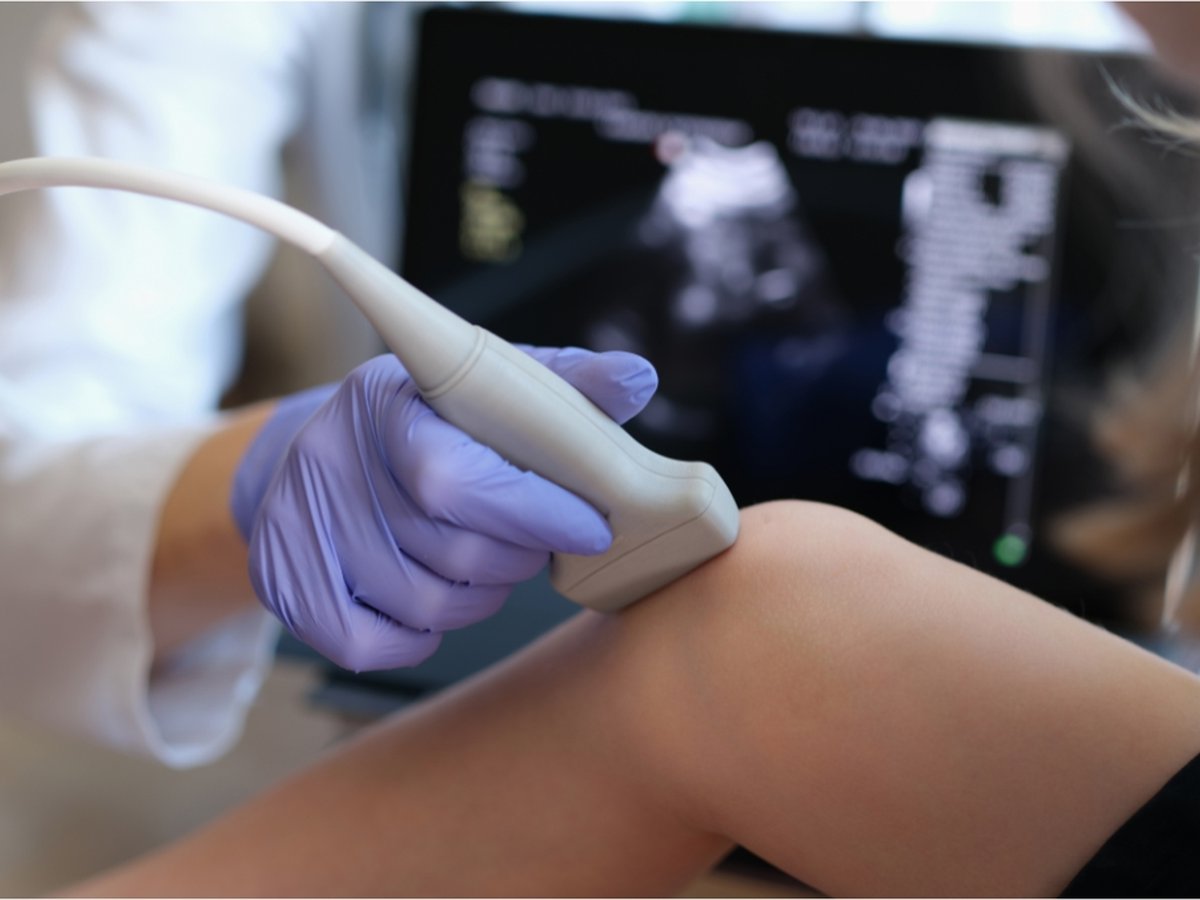
In-Office Ultrasound Confirms PAD the Same Day
Most PAD evaluations start with two simple, painless tests, both done right in our Office-Based Lab. Duplex ultrasound uses sound waves to show blood flowing through your leg arteries in real time. Ankle-brachial index (ABI) testing compares blood pressure at your ankle to your arm to measure how well blood is reaching your foot.
Because the equipment is in our office, most patients get a clear answer during the same visit — no waiting weeks for a referral to an outside imaging center or hospital.
See how vascular screening worksSymptoms to Watch For
If any of these sound familiar, it is worth having your legs checked. Many patients wait months before mentioning symptoms like these — don’t wait.
Treatment Options
We Start With the Least Invasive Option That Works
Most people with PAD do not need surgery right away. We build your plan around your symptoms and how narrowed your arteries are.
Medical Management
Medication, a supervised walking plan, and help managing risk factors like smoking, diabetes, and blood pressure.
Minimally Invasive Treatment
Angioplasty, stenting, or pedal artery laser atherectomy through a small access point — many patients go home the same day.
Open Surgical Repair
When needed, Dr. Brookshire performs surgical bypass himself to reroute blood flow around a severely blocked artery.
Pedal Artery Laser Atherectomy & Revascularization
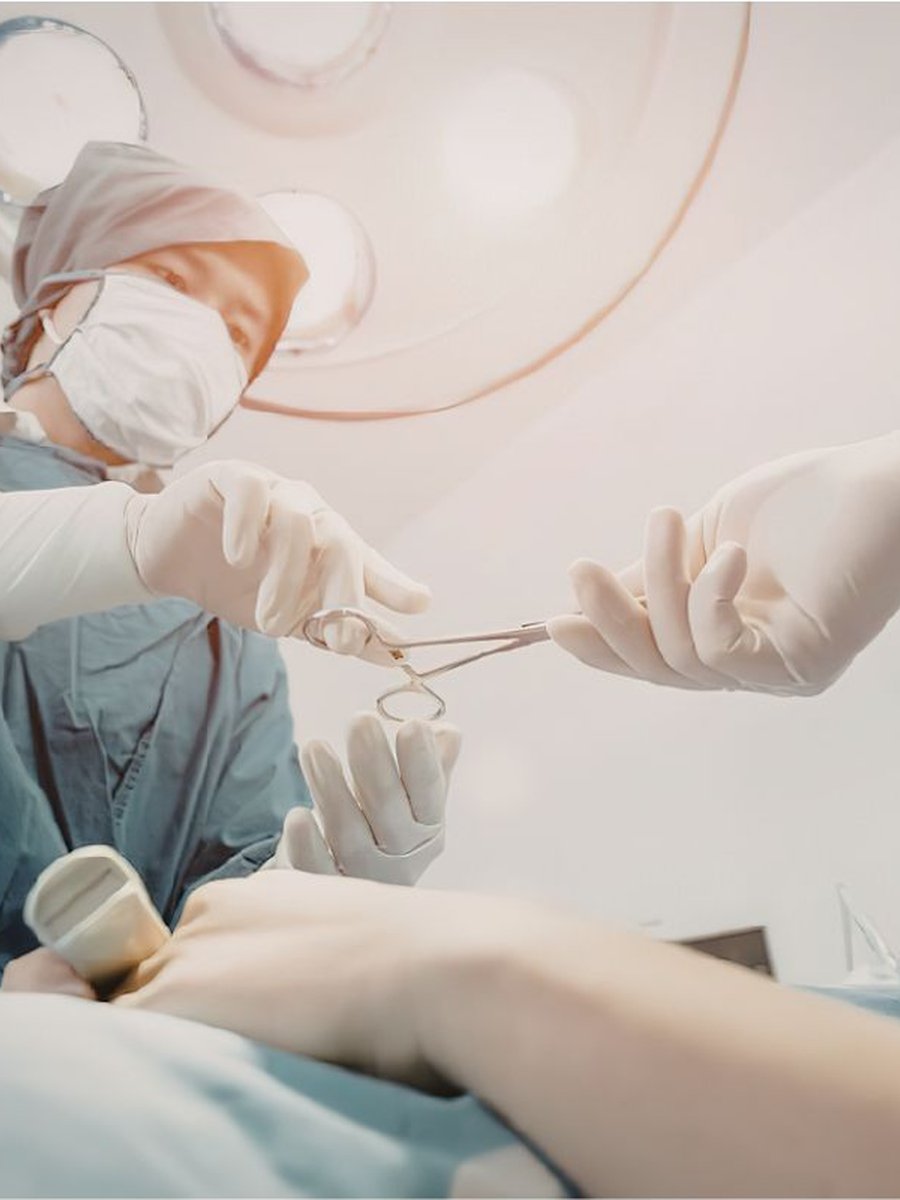
Dr. Brookshire has extensive experience with pedal access — reaching narrowed or blocked arteries through a small opening in the foot. Laser atherectomy removes plaque from inside the artery to help restore blood flow, often without an overnight hospital stay.
Surgical Bypass
Some blockages are too long or too severe for an endovascular approach. As a vascular surgeon, Dr. Brookshire can perform surgical bypass — using a graft to reroute blood flow around the blocked section — so you are cared for by the same team from diagnosis through surgery.
What to Expect
From your first call to your follow-up visit, here is how PAD care typically goes at our office.
Schedule Your Evaluation
Call or request an appointment online. Most patients are seen within the same week.
In-Office Ultrasound & Diagnosis
We check blood flow in your legs with duplex ultrasound and ABI testing, right in our Office-Based Lab.
Review Your Treatment Plan
Dr. Brookshire reviews your results with you and explains your options in plain language.
Treatment
Many patients are treated with a minimally invasive procedure the same day. More involved cases are scheduled for surgery.
Follow-Up & Recovery
We monitor your healing and circulation, coordinating with your wound care team if you need one.
Why Choose STVI for PAD Care
Not every doctor who treats leg pain is a vascular surgeon. Dr. Ralph Brookshire is double board certified by the American Osteopathic Board of Surgery, in both General Surgery and General Vascular Surgery — training that lets him treat PAD with medication, minimally invasive procedures, and open surgery, all from one team. Dr. Brookshire is the first board-certified vascular surgeon to establish a private practice focused on peripheral vascular disease in the Rio Grande Valley — and the only one in Edinburg.
Where a cardiologist or interventional radiologist may offer imaging or a single type of procedure, Dr. Brookshire’s vascular surgery training covers the full range of PAD care — including extensive experience with pedal access and retrograde approaches that can reach blockages other methods miss, and the ability to perform surgical bypass himself when it is truly needed.
Our in-house Office-Based Lab means most of this happens in one office, with bilingual staff and same-week appointments.
Frequently Asked Questions
What does peripheral artery disease feel like?
The most common sign is leg pain, cramping, or tiredness when you walk, which usually stops when you rest. This is called claudication. Some people also notice numbness, coldness, or slow-healing sores on their feet.
Is PAD the same thing as poor circulation?
PAD is one specific cause of poor circulation. It happens when plaque builds up inside the leg arteries and narrows them. An in-house ultrasound can tell us whether PAD, or something else, is behind your symptoms.
Can PAD be treated without surgery?
Often, yes. Many patients start with medication, a supervised walking plan, and help managing risk factors like smoking or diabetes. If more is needed, we move to minimally invasive treatment before considering open surgery.
What is pedal artery laser atherectomy?
It is a minimally invasive procedure that removes plaque from inside a narrowed or blocked artery using a small laser device, often through an access point in the foot. Dr. Brookshire has extensive experience with this pedal access approach, and many patients go home the same day.
How is PAD diagnosed at South Texas Vascular Institute?
We use in-house duplex ultrasound and ABI (ankle-brachial index) testing to check blood flow in your legs. Most patients get a diagnosis during the same visit, without being sent to a hospital or an outside imaging center.
Will I need surgery for PAD?
Not necessarily. We start with the least invasive option that can help and only recommend surgical bypass when endovascular treatment will not restore enough blood flow. Dr. Brookshire performs bypass surgery himself when it is needed.
Does insurance cover PAD testing and treatment?
Coverage depends on your individual plan. Our staff will help you verify your insurance benefits before your visit — call our office and we can check your coverage together.
When should I see a vascular surgeon about leg pain?
Talk to us if leg pain limits your walking, if a foot wound is not healing, or if your leg or foot feels cold, numb, or looks different from the other side. Early evaluation can help reduce the risk to your limb.
Don’t Let Leg Pain
Slow You Down.
If walking hurts, a wound won’t heal, or your foot feels cold, early evaluation matters. Our in-house ultrasound can often confirm PAD the same day you’re seen.