
What Is DVT?
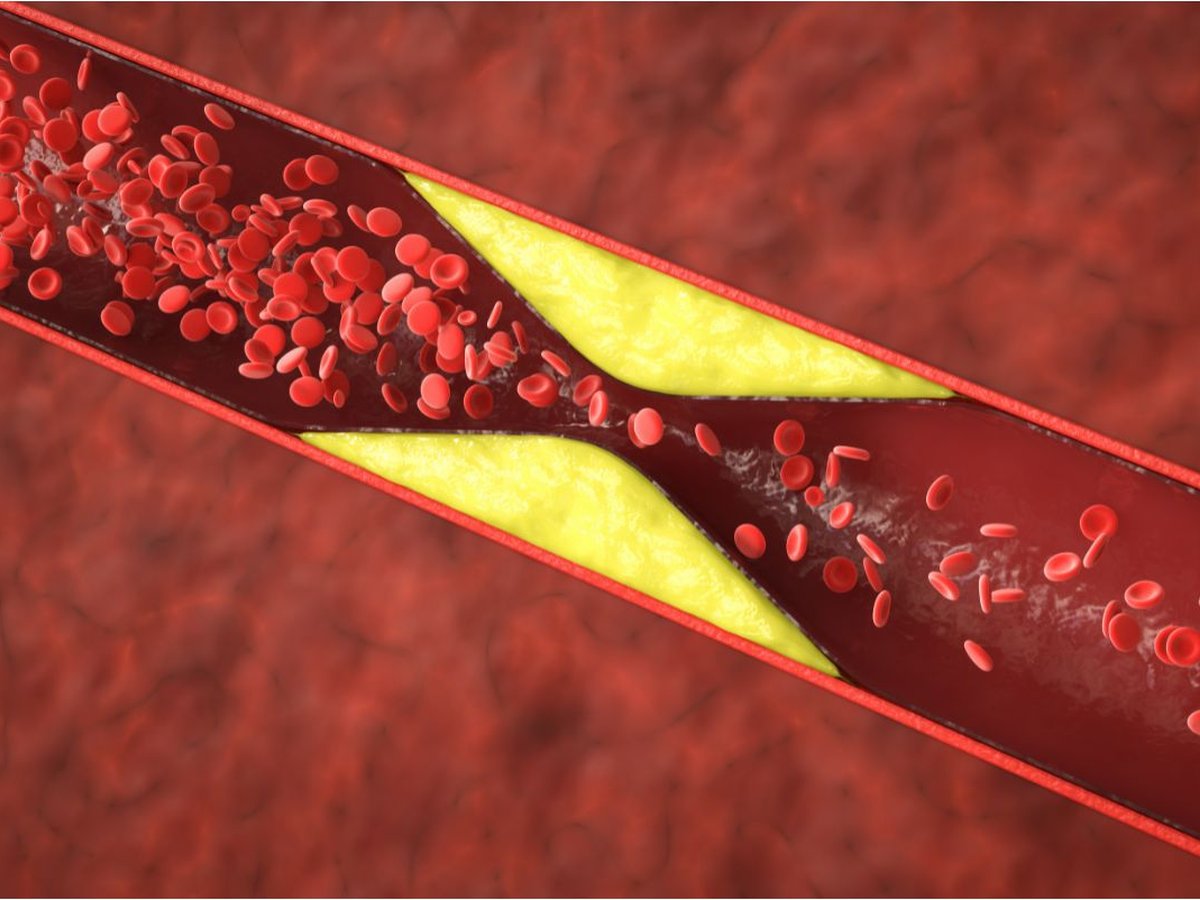
Deep vein thrombosis (DVT) is a blood clot that forms in one of the deep veins, usually in the leg. DVT can block normal blood flow, causing swelling and pain, and part of the clot can break free and travel to the lungs — a serious and sometimes life-threatening condition called a pulmonary embolism.
Because DVT can develop quickly and be dangerous, prompt diagnosis and treatment matter. In-house ultrasound can confirm or rule out a clot the same day you are seen.
Causes & Risk Factors
Some risk factors for DVT are within your control. Others are not.
| Modifiable Risk Factors | Non-Modifiable Risk Factors |
|---|---|
| Prolonged sitting or immobility (flights, car rides, bed rest) | Recent surgery, hospitalization, or injury |
| Smoking or tobacco use | Personal or family history of blood clots |
| Carrying excess weight | Certain cancers or clotting disorders |
Why Early Treatment Matters
“Quick treatment for a blood clot is what helps reduce the risk of it traveling to your lungs.”
DVT can develop over just a few days, and the danger grows the longer it goes untreated. Starting treatment quickly helps stabilize the clot, ease your symptoms, and reduce the risk of it breaking loose and causing a pulmonary embolism. If you have symptoms of DVT, same-day evaluation matters.
How We Diagnose It
Same-Day Ultrasound Confirms or Rules Out a Clot
Venous duplex ultrasound is the standard way to check for DVT. It is painless, uses sound waves to look at blood flow in your deep veins, and can be done right in our Office-Based Lab.
Because DVT needs a fast answer, we prioritize same-day ultrasound for patients with symptoms, so treatment can start without delay if a clot is found.
See how vascular screening worksSymptoms to Watch For
DVT symptoms usually affect one leg. The symptoms below need emergency care.
Sudden shortness of breath, chest pain, or coughing up blood can mean a clot has traveled to your lungs (pulmonary embolism). Call 911 immediately.
Treatment Options
Treatment Depends on the Clot’s Size and Risk
Most DVT is treated with medication alone. More severe clots need a more direct approach.
Blood Thinners
Anticoagulation medication stops a clot from growing and lets your body dissolve it naturally over time — the most common DVT treatment.
Clot-Removal Procedures
For severe or high-risk clots, catheter-directed thrombolysis or mechanical thrombectomy can remove or dissolve the clot directly.
Ongoing Monitoring & Prevention
Follow-up ultrasound, compression stockings, and addressing underlying risk factors to help prevent another clot.
What to Expect
DVT care moves quickly. Here is how a typical visit goes at our office.
Same-Day Evaluation
Call right away if you have DVT symptoms; we prioritize same-day appointments for suspected clots.
In-Office Ultrasound
We check your deep veins with duplex ultrasound in our Office-Based Lab, often within the same visit.
Immediate Results
Dr. Brookshire reviews your ultrasound and explains whether a clot is present and how serious it is.
Treatment Starts Right Away
Most patients start blood thinners the same day; more severe clots may need a procedure.
Follow-Up Monitoring
We recheck your veins and adjust treatment as you heal.
Why Choose STVI for DVT Care
A suspected blood clot is not something that should wait for an opening at an imaging center. Dr. Ralph Brookshire is double board certified by the American Osteopathic Board of Surgery, in both General Surgery and General Vascular Surgery, and our in-house Office-Based Lab means DVT can often be confirmed or ruled out the same day you call.
Because ultrasound, diagnosis, and treatment planning happen in one office, you are not waiting days for an outside imaging appointment while a clot goes untreated.
Our in-house Office-Based Lab means fast answers, with bilingual staff and same-week — often same-day — appointments.
Frequently Asked Questions
What does DVT feel like?
The most common signs are swelling, pain, and warmth in one leg, usually starting in the calf. Symptoms often affect just one side, not both legs at once.
Is DVT an emergency?
DVT itself needs prompt evaluation, and part of a clot can break loose and travel to the lungs, which is a medical emergency. If you have sudden shortness of breath or chest pain, call 911 immediately.
How is DVT diagnosed?
We use venous duplex ultrasound, a painless test that uses sound waves to check blood flow in your deep veins. We prioritize same-day ultrasound for patients with DVT symptoms.
How is DVT treated?
Most DVT is treated with blood thinners (anticoagulation), which stop the clot from growing while your body dissolves it naturally. More severe or high-risk clots may need a procedure to remove or dissolve the clot directly.
How long do I need to take blood thinners?
It varies by patient, depending on the cause and location of the clot. Dr. Brookshire will set a treatment length based on your specific situation and monitor you along the way.
What increases my risk of DVT?
Prolonged immobility (like long flights or bed rest), recent surgery or hospitalization, smoking, carrying excess weight, and a personal or family history of blood clots all raise your risk.
Sudden Leg Swelling?
Get Checked Today.
DVT symptoms deserve a same-day answer. In-house ultrasound can confirm or rule out a blood clot in one visit.