What Are Varicose Veins?
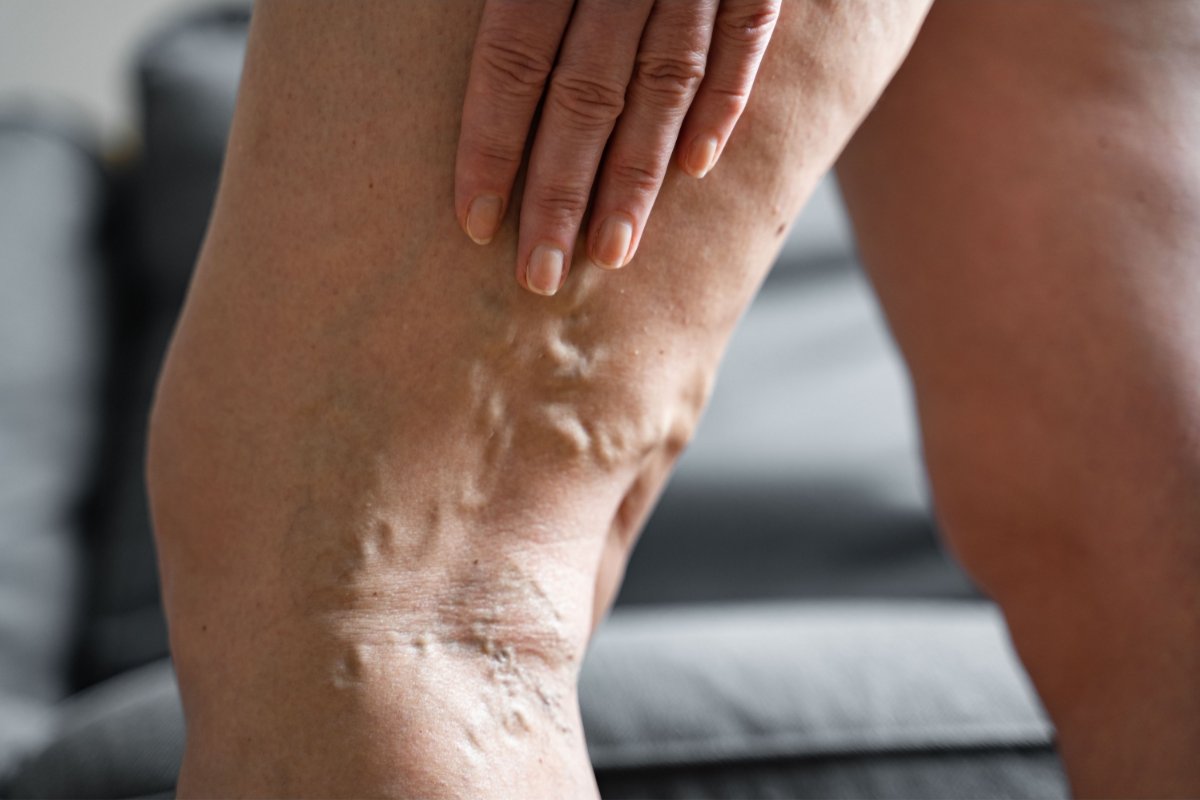
Varicose veins are enlarged, twisted veins that show through the skin, most often in the legs. They are usually caused by venous reflux — when the small valves inside your leg veins weaken and let blood flow backward and pool, instead of moving up toward your heart.
Over time, that pooling stretches the vein walls, causing the bulging, rope-like veins many people notice. Varicose veins are common and often more than a cosmetic concern: many people also have aching, heaviness, or swelling in the legs. In-house ultrasound can map exactly which veins are affected and guide the right treatment.
Causes & Risk Factors
Some risk factors for varicose veins are within your control. Others are not.
| Modifiable Risk Factors | Non-Modifiable Risk Factors |
|---|---|
| Prolonged standing or sitting for work | Age |
| Carrying excess weight | Family history of varicose veins |
| Lack of physical activity | Pregnancy |
| — | History of leg vein blood clots |
Why Early Treatment Matters
“Treating venous reflux early can help ease your symptoms before they affect your skin and mobility.”
Varicose veins tend to get worse gradually. Left untreated, ongoing venous reflux can, in some cases, lead to skin changes, persistent swelling, or a slow-healing leg ulcer. Treating the underlying reflux — not just the visible veins — is what helps reduce the risk of those complications and keeps you comfortable and active.
How We Diagnose It
In-Office Venous Ultrasound Maps Your Veins
Venous duplex ultrasound is a painless test that shows exactly which veins have reflux and how severe it is. It is done right in our Office-Based Lab, with no needles and no hospital visit.
Mapping your veins this way lets Dr. Brookshire target the specific veins causing your symptoms, rather than guessing which ones need treatment.
See how vascular screening worksSymptoms to Watch For
If any of these sound familiar, an ultrasound can tell you what is happening beneath the surface.
Treatment Options
Most Varicose Veins Can Be Treated in the Office
No general anesthesia, no hospital stay — just an in-office procedure built around your ultrasound results.
Conservative Care
Compression stockings, leg elevation, and activity changes for mild symptoms.
Minimally Invasive Treatment
Radiofrequency ablation closes the faulty vein from the inside, using heat delivered through a thin catheter.
Vein Removal
Ambulatory phlebectomy removes bulging surface veins through tiny incisions, often in the same visit.
Greater Saphenous Vein Radiofrequency Ablation
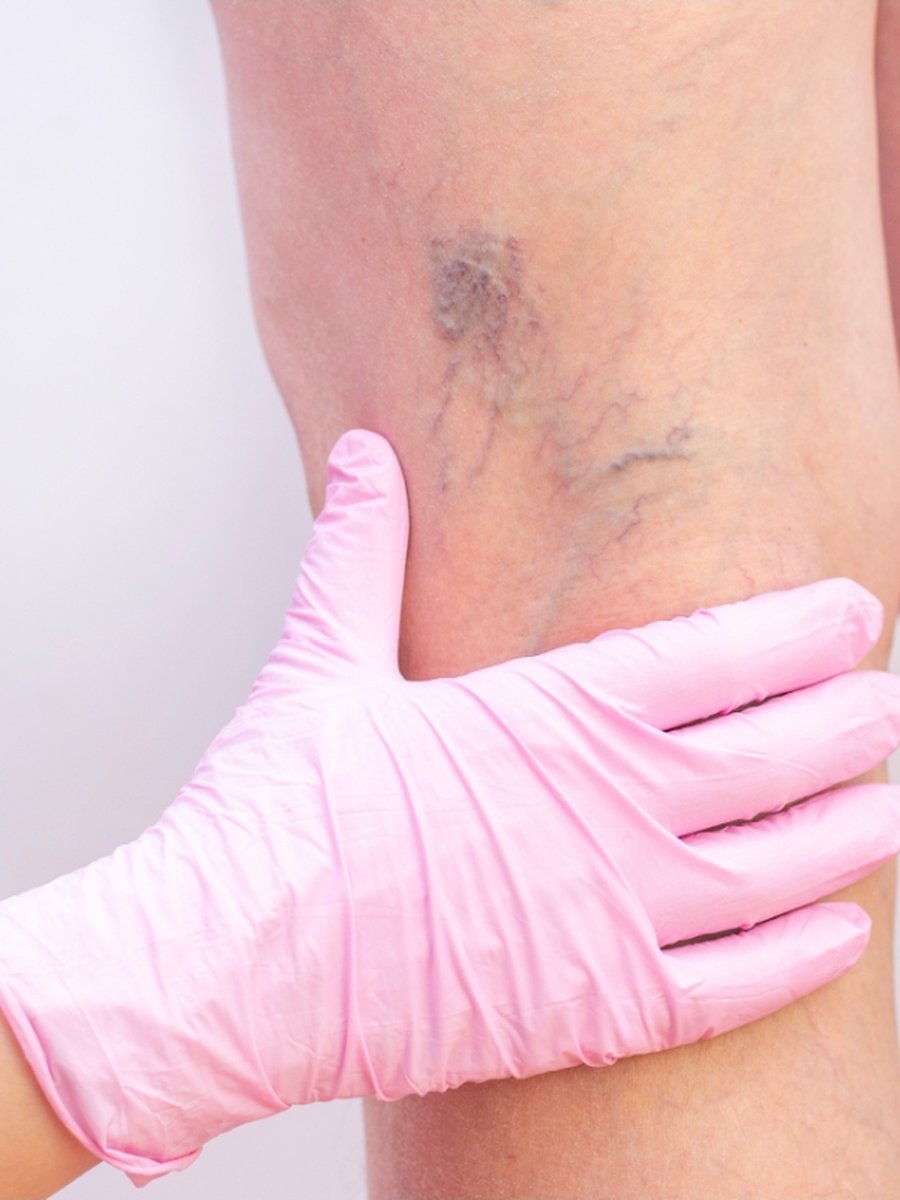
For the great saphenous vein — the vein most often responsible for venous reflux — Dr. Brookshire uses radiofrequency energy delivered through a thin catheter to seal it closed. Blood then reroutes to healthier veins nearby. The procedure takes about an hour, uses only local anesthesia, and most patients walk out and resume normal activity the same day.
Ambulatory Phlebectomy
Bulging surface veins can be removed through tiny incisions that typically do not need stitches. This is often paired with radiofrequency ablation to treat both the underlying reflux and the visible veins in one visit.
What to Expect
From your first call to your follow-up visit, here is how vein care typically goes at our office.
Schedule Your Evaluation
Call or request an appointment online. Most patients are seen within the same week.
In-Office Venous Ultrasound
We map your leg veins with duplex ultrasound in our Office-Based Lab.
Review Your Treatment Plan
Dr. Brookshire explains which veins are affected and what treatment fits best.
Treatment
Many patients are treated with radiofrequency ablation or phlebectomy the same day or shortly after.
Follow-Up
We check your healing and confirm the treated vein has closed, typically with a follow-up ultrasound.
Why Choose STVI for Vein Care
Not every varicose vein treatment addresses the real cause. Dr. Ralph Brookshire is double board certified by the American Osteopathic Board of Surgery, in both General Surgery and General Vascular Surgery, and uses in-house venous ultrasound to find and treat the specific veins causing your symptoms — not just the ones you can see.
Where some vein clinics only offer cosmetic treatment for visible veins, Dr. Brookshire’s vascular surgery training lets him diagnose and treat the underlying venous reflux driving your symptoms, using the same in-house ultrasound and Office-Based Lab used for arterial care.
Our in-house Office-Based Lab means most visits happen quickly, with bilingual staff and same-week appointments.
Frequently Asked Questions
Are varicose veins just a cosmetic problem?
Not usually. Many people with varicose veins also have aching, heaviness, swelling, or itching. The underlying cause, venous reflux, can worsen over time if it is not treated.
What is venous reflux?
Venous reflux happens when the valves inside your leg veins weaken and let blood flow backward and pool, instead of moving up toward your heart. That pooling is what stretches veins and causes symptoms.
What is radiofrequency ablation?
Radiofrequency ablation (RFA) is a minimally invasive procedure that uses heat delivered through a thin catheter to seal a faulty vein closed. It is done with local anesthesia, takes about an hour, and most patients return to normal activity the same day.
Does insurance cover varicose vein treatment?
Coverage depends on your individual plan and whether treatment is considered medically necessary. Our staff will help you verify your insurance benefits before your visit.
Will my varicose veins come back after treatment?
Treated veins that are closed or removed do not come back, but new varicose veins can develop in other veins over time. Regular follow-up can catch that early.
How long is recovery after vein treatment?
Most patients walk out the same day and resume normal, non-strenuous activity right away. Compression stockings are usually worn for a period after the procedure to support healing.
When should I see a doctor about varicose veins?
Talk to us if your veins are painful, swollen, itchy, or changing your skin color, or if you simply want them evaluated. An in-house ultrasound can tell you exactly what is happening in your veins.
Tired of Aching,
Heavy Legs?
Varicose veins are treatable in the office, often in a single visit. In-house ultrasound can map your veins and confirm the right treatment.