What Is Carotid Artery Disease?
Carotid artery disease happens when plaque — a buildup of fat, cholesterol, and other substances — narrows the carotid arteries, the two main blood vessels in your neck that supply your brain. As plaque builds up, it can reduce blood flow to the brain, and pieces of plaque or blood clots can break loose and travel upward, blocking a smaller artery in the brain.
That blockage is what causes a stroke. Carotid artery disease often has no symptoms until that moment, which is why screening matters — especially if you smoke, have high blood pressure, or have other vascular risk factors. In-house carotid ultrasound can find narrowing before it causes a stroke.
Causes & Risk Factors
Some risk factors for carotid artery disease are within your control. Others are not. Knowing both helps us decide who needs regular screening.
| Modifiable Risk Factors | Non-Modifiable Risk Factors |
|---|---|
| Smoking or tobacco use | Age 55 and older |
| High blood pressure | Family history of stroke or vascular disease |
| High cholesterol | Personal history of TIA or stroke |
| Diabetes or high blood sugar | — |
| Limited physical activity | — |
Why Early Screening Matters
“Most strokes caused by carotid artery disease can be helped by catching the narrowing before it causes a problem.”
Carotid artery disease usually develops silently, over years, without pain or warning signs. That is what makes it dangerous — many people do not know they have it until a TIA (mini-stroke) or full stroke occurs. Regular screening, especially if you have risk factors, is one of the most effective ways to catch narrowing early and help reduce your risk of a future stroke.
How We Diagnose It
In-Office Carotid Ultrasound Checks Your Stroke Risk
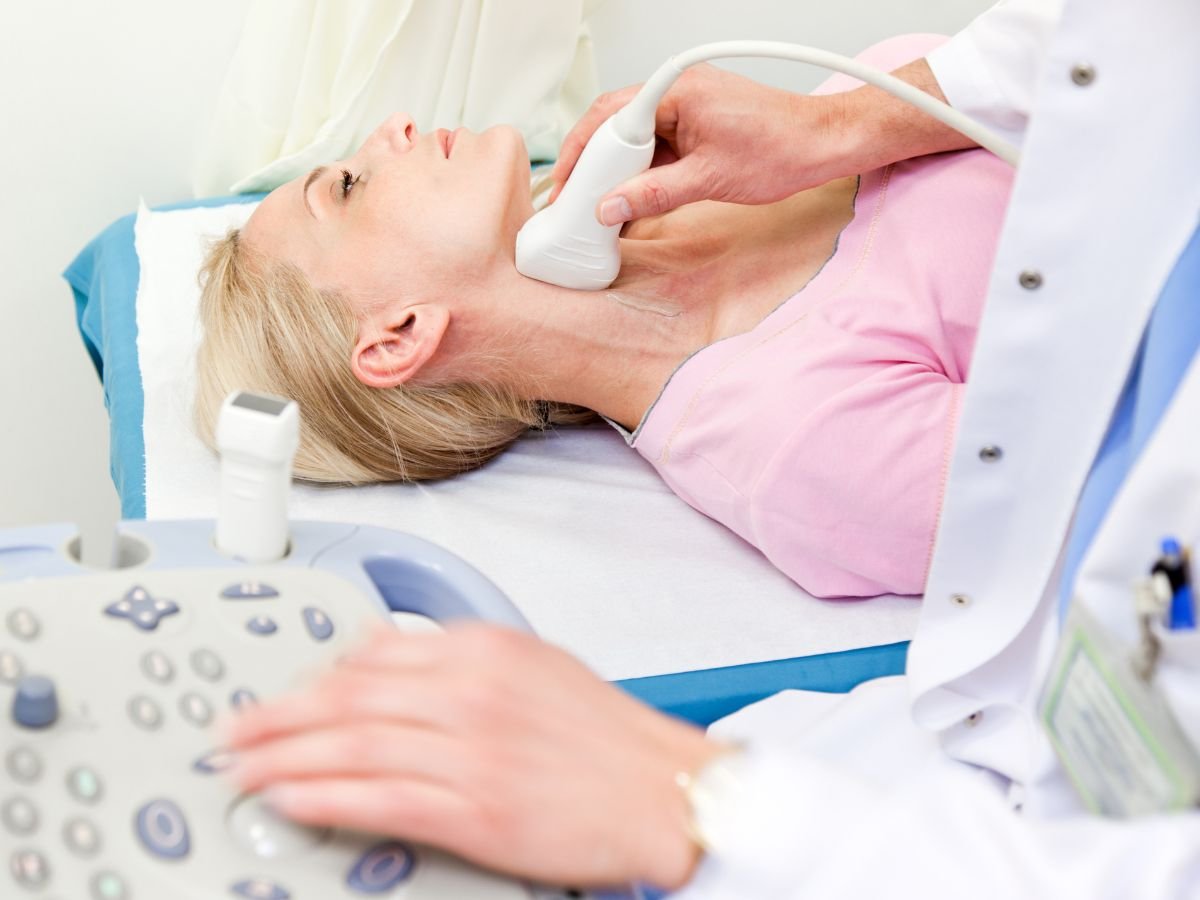
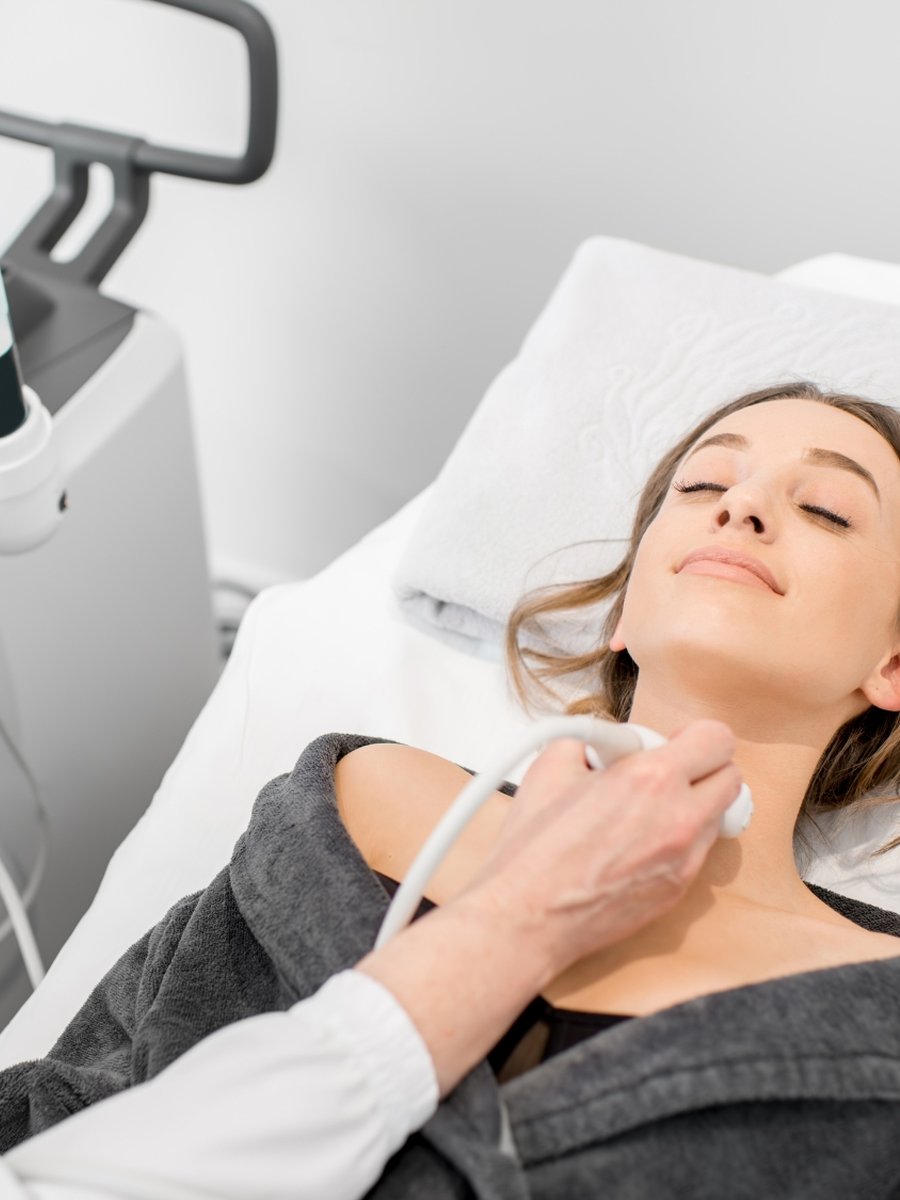
Carotid duplex ultrasound is a simple, painless test that uses sound waves to look at blood flow through the arteries in your neck. It can show how narrowed an artery has become and how much plaque has built up — without needles, radiation, or a hospital visit.
Because the equipment is in our office, most patients get a clear picture of their carotid arteries during the same visit as their evaluation.
See how vascular screening worksSymptoms to Watch For
Carotid artery disease often causes no symptoms at all until a stroke happens. The sudden symptoms below are warning signs of stroke.
These sudden symptoms can mean you are having a stroke. Call 911 immediately — do not wait to schedule an office visit.
Treatment Options
Your Treatment Depends on How Narrowed the Artery Is
Not every case of carotid artery disease needs surgery. We build your plan around your ultrasound results and overall health.
Medical Management
Blood pressure and cholesterol medication, antiplatelet therapy, and help quitting smoking for mild to moderate narrowing.
Minimally Invasive Treatment
Carotid artery stenting places a small mesh tube in the artery through a catheter, often without an overnight hospital stay.
Surgical Treatment
Carotid endarterectomy removes plaque directly from the artery — Dr. Brookshire performs this surgery himself when it is the best option.
Carotid Artery Stenting
For many patients, Dr. Brookshire can open a narrowed carotid artery with a stent placed through a small catheter, avoiding a neck incision. This minimally invasive approach often means a shorter recovery.
Carotid Endarterectomy
When surgery is the better option, Dr. Brookshire performs carotid endarterectomy — directly removing plaque from inside the artery through a small neck incision — to restore normal blood flow and help lower your stroke risk.
What to Expect
From your first call to ongoing monitoring, here is how carotid care typically goes at our office.
Schedule Your Evaluation
Call or request an appointment online. Most patients are seen within the same week.
In-Office Carotid Ultrasound
We check blood flow through your neck arteries with a simple, painless ultrasound in our Office-Based Lab.
Review Your Results
Dr. Brookshire reviews your carotid ultrasound with you and explains your stroke risk in plain language.
Treatment, If Needed
Many patients are monitored with regular ultrasound; others are treated with stenting or surgery.
Ongoing Monitoring
We track your carotid arteries over time to catch any new narrowing early.
Why Choose STVI for Carotid Care
Not every doctor who manages blood pressure or cholesterol screens for carotid artery disease. Dr. Ralph Brookshire is double board certified by the American Osteopathic Board of Surgery, in both General Surgery and General Vascular Surgery — training that lets him screen for, monitor, and treat carotid disease with medication, minimally invasive stenting, or surgery, all from one team. Dr. Brookshire is the first board-certified vascular surgeon to establish a private practice focused on peripheral vascular disease in the Rio Grande Valley — and the only one in Edinburg.
Where a primary care visit may check your blood pressure or cholesterol, an in-house carotid ultrasound looks directly at your arteries — often finding narrowing years before it might otherwise be caught, and letting Dr. Brookshire monitor or treat it before it leads to a stroke.
Our in-house Office-Based Lab means most of this happens in one office, with bilingual staff and same-week appointments.
Frequently Asked Questions
Does carotid artery disease have symptoms?
Often not. Carotid artery disease usually develops silently, without pain or warning signs, until it causes a TIA (mini-stroke) or stroke. That is why screening matters, especially if you have risk factors like smoking, high blood pressure, or high cholesterol.
What is a TIA, or mini-stroke?
A TIA happens when blood flow to part of the brain is blocked briefly, causing stroke-like symptoms that go away, often within minutes to an hour. A TIA is a warning sign — call 911 if you experience one, then talk to us about a carotid evaluation.
How is carotid artery disease diagnosed?
We use in-house carotid duplex ultrasound, a painless test that uses sound waves to check blood flow and look for narrowing in your neck arteries. Most patients get results during the same visit.
Do I need surgery for carotid artery disease?
Not always. Many patients are managed with medication and regular monitoring. Surgery or stenting is generally reserved for more significant narrowing or for patients who have already had a TIA or stroke.
What is the difference between carotid stenting and carotid endarterectomy?
Stenting is a minimally invasive procedure that opens the artery with a small mesh tube placed through a catheter. Endarterectomy is a surgery that removes plaque directly from the artery through a small neck incision. Dr. Brookshire will recommend the option that fits your case best.
Who should be screened for carotid artery disease?
Screening is especially important if you smoke, have high blood pressure, high cholesterol, diabetes, or a family history of stroke or vascular disease. Ask us whether a carotid ultrasound is right for you.
What should I do if I have sudden stroke symptoms?
Call 911 immediately. Sudden weakness, trouble speaking, vision changes, or loss of balance can be signs of a stroke, and every minute matters. Do not wait to schedule an office visit for these symptoms.
Don’t Wait to Check
Your Stroke Risk.
Carotid artery disease often has no symptoms until a stroke happens. An in-house carotid ultrasound can check your risk in one visit.